


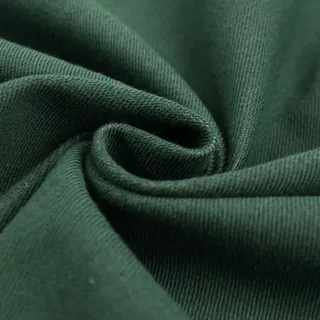
The fashion industry is undergoing a quiet revolution, and at the heart of it is a textile that feels like silk but breathes like cotton. Modal fabric has quickly become a favorite among designers who prioritize both luxury and sustainability. Its buttery softness and impressive durability make it an ideal choice for everything from high-end loungewear to sophisticated evening dresses.
For clothing manufacturers and independent designers in Cyprus, however, the enthusiasm for modal often hits a logistical wall. While the demand for this eco-friendly material is growing, finding premium modal fabric—especially at low Minimum Order Quantities (MOQ)—can feel like searching for a needle in a haystack. Small to medium-sized brands often struggle to secure high-quality materials without committing to massive rolls of fabric that blow their budget and storage capacity.
Navigating the sourcing landscape requires a mix of local knowledge and global strategy. Whether you are launching a boutique swimwear line in Limassol or a sustainable basics brand in Nicosia, understanding where and how to buy modal is crucial for your business’s success.
Understanding Modal Fabric: The Eco-Luxury Choice
Before diving into where to buy it, it is helpful to understand exactly why modal is worth the hunt. Modal is a semi-synthetic fabric made from beech tree pulp. It is a type of rayon, but the production process is generally more environmentally friendly and results in a material that is superior in many ways.
Why Designers Love It
The primary appeal of modal is its texture. It is incredibly soft to the touch—often compared to bamboo or silk—making it perfect for garments worn close to the skin, such as underwear, pajamas, and t-shirts.
Beyond the feel, modal offers significant technical benefits:
- Durability: Unlike cotton, which can shrink and stiffen over time, modal holds its shape well. It is resistant to pilling, meaning clothes look newer for longer.
- Breathability and Absorbency: Modal is about 50% more absorbent than cotton. This makes it excellent for Cyprus’s warm Mediterranean climate, as it wicks moisture away from the body, keeping the wearer cool and dry.
- Color Retention: The fibers absorb dye deeply and hold onto it, preventing the “washed-out” look that plagues other natural fibers after a few laundry cycles.
- Eco-Friendliness: Because it is derived from regenerative plants and often produced in a closed-loop system (where chemicals are recycled), it appeals to the growing market of eco-conscious consumers.
The Challenge of Low MOQ for Cypriot Designers
For many emerging designers in Cyprus, the biggest barrier to entry isn’t creativity—it’s the Minimum Order Quantity (MOQ).
Large textile mills typically operate on economies of scale. It is more profitable for them to sell 1,000 meters of a single color than 50 meters. However, a small startup or a boutique atelier rarely needs (or can afford) thousands of meters of fabric.
High MOQs pose several risks for small businesses:
- Cash Flow: Tying up capital in excess inventory limits what can be spent on marketing, production, and design.
- Storage: Warehousing large rolls of fabric requires space that many independent studios simply don’t have.
- Waste: If a specific color or style doesn’t sell, the designer is left with deadstock, which contradicts the sustainable ethos that led them to choose modal in the first place.
Finding a supplier willing to offer low MOQs—often defined as anything under 100 meters—is essential for fostering innovation and allowing smaller brands to test the market without massive financial risk.
Where to Find Premium Modal Fabric
If you are based in Cyprus, your sourcing strategy will likely involve a mix of local connections and international imports. Here is a breakdown of where to look.
Online Marketplaces
The digital age has made the world smaller, and platforms like Alibaba, Etsy, and SwatchOn have become go-to resources for fabric sourcing.
- Pros: The selection is virtually infinite. You can filter by fabric weight, color, and origin. Many suppliers on these platforms specifically cater to small businesses and offer low MOQs (sometimes as low as 10 meters).
- Cons: You cannot touch the fabric before buying. Shipping costs to Cyprus can be high, and import duties may apply if ordering from outside the EU. Quality control varies wildly; “modal” on a product listing can sometimes turn out to be a lower-quality viscose blend.
Recommendation: Always order swatch books before committing to a roll. Sites like SwatchOn are particularly good for fashion designers as they curate high-quality fabrics specifically for the industry.
Local Suppliers in Cyprus
While Cyprus does not have a massive textile manufacturing industry compared to countries like Turkey or Italy, there are local wholesalers and fabric agents who can be invaluable.
- The Benefits: Sourcing locally means you can physically inspect the fabric. You can drape it, feel the weight, and check the stretch. It also eliminates shipping delays and customs headaches. Building a relationship with a local supplier often leads to better payment terms and insider tips on new arrivals.
- Where to look: Explore industrial areas in Nicosia and Limassol. Many fabric wholesalers don’t have polished websites, so visiting in person or calling directly is often the best approach. Networking with other local designers can also yield recommendations for hidden gems.
International Wholesalers (EU and Nearby)
Given Cyprus’s location, looking to nearby textile powerhouses is a smart strategic move.
- Turkey: As one of the world’s leading textile producers, Turkey is a short flight or shipping route away. Turkish cotton and modal are world-renowned for their quality. Many Turkish suppliers are accustomed to working with European brands and may offer competitive MOQs if you present yourself as a growing business.
- Greece and Italy: Sourcing from within the EU (like Greece or Italy) simplifies the customs process significantly. There are zero import duties, and shipping is generally faster and more reliable. Italy, in particular, offers premium modal blends that are perfect for luxury positioning.
Tips for Sourcing Modal at Low MOQs
Securing the right fabric at the right volume requires more than just finding a website; it requires negotiation.
1. Ask for “Sampling Yardage”
If a supplier quotes a high MOQ (e.g., 500 meters), ask if they offer “sampling yardage” or “surcharge yardage.” Many mills allow you to buy smaller amounts for a higher price per meter. While this hurts your margin slightly, it reduces your overall financial risk.
2. Look for “Stock Service”
Some suppliers keep popular colors (black, white, navy, nude) in stock year-round. Because the fabric is already produced and sitting in a warehouse, the MOQs for these items are usually much lower than custom-dyed colors.
3. Consolidate Orders
If you know other designers in Cyprus, consider pooling your orders. If three designers each need 100 meters of white modal, you can combine your purchasing power to meet a 300-meter MOQ, potentially unlocking better pricing.
4. Build Relationships
Suppliers are people, too. If you are transparent about your business size but show professional promise, they may be willing to bend the rules for you. Communicate clearly, pay on time, and share photos of the finished garments. A supplier who feels invested in your success is more likely to help you out with smaller orders in the future.
The Search for Softness
Finding the perfect modal fabric in Cyprus involves balancing quality, cost, and volume. While the challenge of low MOQs is real, the options available—from EU neighbors to specialized online platforms—are more accessible than ever.
By understanding the landscape and employing smart negotiation tactics, Cypriot manufacturers can secure the premium materials they need to compete on the global stage. Don’t settle for lower-quality substitutes; the comfort and luxury of modal are worth the effort.
Fabriclore showcases five main types of modal fabric categories on this page: geometric and textured modal, satin and silk modal, blended modal, premium Lenzing modal, and innovative/unique modal fabrics. Within these five buckets, the range includes options like modal geometric dobby, heavy muslin blends, Bemberg x modal satin, cotton–modal blends, Lenzing modal satin, lurex-infused modal, and other specialty constructions aimed at different drape, texture, and luxury levels.
Fabriclore is a leading B2B fabric sourcing platform dedicated to empowering fashion designers, apparel manufacturers, and clothing brands worldwide. With 10+ years of experience in the textile industry, we have built a trusted network that connects creativity with high-quality fabrics, ensuring seamless and efficient sourcing for every scale of production.
Our extensive collection includes natural fibers like cotton fabric, linen fabric, and silk fabric; man-made fibers such as viscose and polyester; along with sustainable options like LENZING™, LIVA™, BEMBERG™ Cupro, and organic cotton.
We offer four key services tailored to meet every design and production need:
- Dyeable Fabric – Woven RFD & greige, sustainable, and knitted fabrics.
- Dyed Fabric – Mill dyed, yarn dyed, Schiffli, and denim fabrics.
- Made To Order – Digital printing, screen printing, block printing, and dyeing solutions.
- Ready Stock – Block, screen, Ikat, tweed, and jacquard fabrics.
Explore our diverse range of custom-printed, ready mill-dyed, and yarn-dyed fabrics to find the perfect match for your next collection.
For personalized assistance or inquiries, reach out to us at [email protected].
Experience seamless, authentic, and affordable fabric sourcing with Fabriclore — your trusted partner with over a decade of expertise in the global textile industry.
