


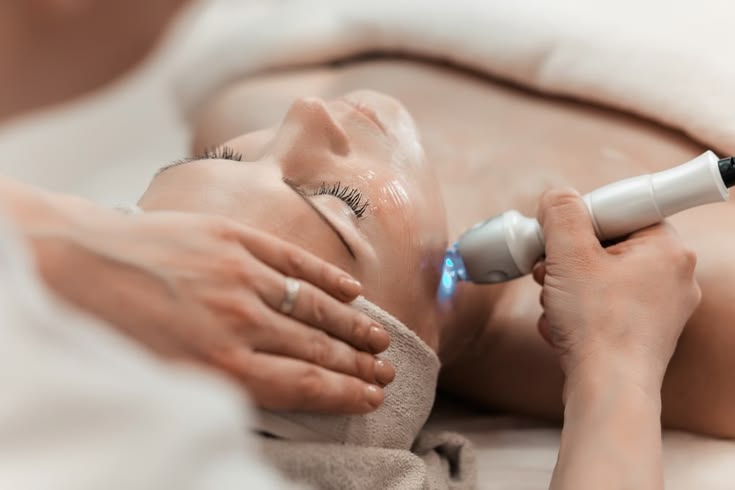
The world of cosmetic treatments is changing. For years, medical aesthetics was primarily associated with correcting visible signs of aging such as wrinkles, sagging skin, and volume loss. Today, a growing number of younger adults in their 20s and early 30s are embracing a different philosophy known as “pre-juvenation.” Rather than waiting for aging concerns to become noticeable, they are taking proactive steps to preserve their youthful appearance before significant changes occur.
This shift has transformed the Vedas Medical Spa & Wellness Center aesthetics industry, making preventative treatments one of the fastest-growing trends in cosmetic medicine. But what exactly is pre-juvenation, and why are younger generations increasingly investing in it?
What Is Pre-Juvenation?
Pre-juvenation refers to preventative aesthetic treatments designed to slow or minimize the visible signs of aging before they become prominent. Instead of reversing wrinkles, volume loss, or skin laxity, the goal is to maintain healthy, youthful skin and facial structure for as long as possible.
The concept is similar to preventive healthcare. Just as people exercise, eat well, and use sunscreen to protect their future health, pre-juvenation focuses on preserving skin quality and facial aesthetics over time.
Popular pre-juvenation treatments include:
- Neuromodulators such as Botox and Dysport
- Medical-grade skincare
- Microneedling
- Chemical peels
- Laser treatments
- Skin boosters and hydrating injectables
- Preventative collagen-stimulating procedures
- Sunscreen and advanced skincare regimens
These treatments are often subtle, aiming to maintain natural features rather than create dramatic changes.
Why Younger Adults Are Embracing Preventative Treatments
Social Media Influence
One of the biggest drivers behind the pre-juvenation trend is social media. Platforms such as Instagram, TikTok, and YouTube expose users to high-definition images and videos daily. Constant visibility creates greater awareness of skin texture, facial symmetry, and early aging signs.
Many younger adults follow dermatologists, plastic surgeons, and aesthetic providers who educate audiences about preventative care. As a result, cosmetic treatments have become more normalized and less stigmatized than in previous generations.
Increased Awareness of Aging
Modern consumers are more informed about how aging affects the skin. Research and education have highlighted factors such as:
- Collagen depletion
- Sun damage
- Repetitive facial expressions
- Environmental stressors
- Lifestyle habits
Understanding that aging begins long before wrinkles become visible motivates many individuals to take preventative action earlier.
Advancements in Technology
Today’s aesthetic treatments are safer, more precise, and less invasive than ever before. Many procedures require minimal downtime, making them attractive to busy professionals and students.
Treatments can now target early concerns with subtle results that maintain a natural appearance. This approach appeals to younger patients who want enhancement without looking dramatically different.
Focus on Prevention Rather Than Correction
Many younger adults view aesthetics similarly to preventive dentistry or fitness. They believe small interventions now may reduce the need for more aggressive procedures later.
For example, strategically placed neuromodulators may help limit the formation of deep expression lines over time. Likewise, collagen-stimulating treatments may help preserve skin firmness and elasticity.
The Most Popular Pre-Juvenation Treatments
Preventative Botox
Often referred to as “Baby Botox,” preventative neuromodulator treatments use small amounts of product to relax targeted facial muscles before dynamic wrinkles become permanently etched into the skin.
Common treatment areas include:
- Forehead lines
- Frown lines
- Crow’s feet
The goal is not to freeze facial expressions but to reduce repetitive movements that contribute to wrinkle formation.
Medical-Grade Skincare
Many experts consider skincare the foundation of any pre-juvenation strategy.
Common ingredients include:
- Retinoids
- Vitamin C
- Hyaluronic acid
- Peptides
- Growth factors
- Broad-spectrum sunscreen
Consistent use of high-quality skincare can significantly improve skin texture, tone, and resilience.
Microneedling
Microneedling creates controlled micro-injuries in the skin, stimulating collagen and elastin production. Younger adults often use it to maintain skin quality, minimize pores, and improve overall texture.
Laser Treatments
Light-based therapies can address:
- Early pigmentation
- Mild sun damage
- Uneven skin tone
- Redness
- Fine lines
These treatments support long-term skin health and encourage collagen renewal.
Skin Boosters
Injectable skin boosters deliver hydration directly beneath the skin’s surface. Unlike traditional fillers, they focus on improving skin quality rather than adding volume.
Many younger patients use them to maintain a healthy, radiant complexion.
The Role of Collagen Preservation
A major reason behind the popularity of pre-juvenation is the understanding of collagen loss. Collagen production naturally begins declining in the mid-20s, contributing to future wrinkles, laxity, and thinning skin.
Many modern treatments are designed specifically to stimulate collagen production and slow these age-related changes.
Examples include:
- Radiofrequency microneedling
- Fractional laser resurfacing
- Biostimulatory injectables
- PRP therapies
By supporting collagen levels early, patients may maintain firmer and healthier skin for longer periods.
The Psychological Appeal of Pre-Juvenation
Pre-juvenation is not solely about appearance. Many younger adults report that maintaining their skin and facial aesthetics boosts confidence and supports their overall self-care routines.
Unlike previous generations that often sought treatment only after aging became noticeable, today’s patients frequently view aesthetic care as part of a broader wellness strategy.
This shift reflects changing attitudes toward beauty, where maintaining natural features and healthy skin often takes priority over dramatic transformation.
Potential Drawbacks to Consider
While pre-juvenation offers benefits, it is important to approach treatments thoughtfully.
Potential concerns include:
- Overtreatment at a young age
- Unrealistic expectations driven by social media
- Choosing unqualified providers
- Excessive spending on unnecessary procedures
The most successful preventative plans are individualized and guided by experienced medical professionals who prioritize patient education and natural results.
Finding the Right Balance
Not every young adult needs injectable treatments or advanced procedures. In many cases, a strong skincare routine, daily sun protection, and healthy lifestyle habits provide an excellent foundation for long-term skin health.
Medical aesthetic treatments should complement—not replace—good skincare and overall wellness practices.
The best approach focuses on preserving skin quality, supporting collagen production, and making informed decisions based on personal goals rather than trends.
Conclusion
The rise of pre-juvenation reflects a broader shift toward prevention in modern healthcare and beauty. Younger adults are increasingly choosing proactive treatments that help maintain healthy skin, preserve collagen, and delay visible signs of aging before they become significant concerns.
As technology continues to advance and awareness grows, pre-juvenation is likely to remain a defining trend in medical aesthetics. When performed responsibly and combined with effective skincare, these preventative strategies can help individuals maintain natural, youthful-looking skin while embracing a long-term approach to aging gracefully.
