


Tattoos have long been a form of self-expression, storytelling, and artistic creativity. However, not all tattoos serve the same purpose. While decorative body art is often chosen for personal style, symbolism, or aesthetic appeal, medical nipple tattoos serve a very different role. They combine artistic techniques with restorative goals to help individuals rebuild confidence after surgery, injury, or medical treatments.
Understanding the differences between medical what to do in Gilbert AZ and decorative body art can help individuals make informed decisions about their goals, expectations, and the type of professional they need.
What Are Medical Nipple Tattoos?
Medical nipple tattoos, also known as paramedical nipple and areola tattoos, are specialized procedures designed to restore the appearance of the nipple and areola after medical changes. They are commonly performed for individuals who have undergone:
- Mastectomy and breast reconstruction
- Breast surgery
- Injury or trauma
- Congenital differences
- Other procedures affecting nipple appearance
The primary goal is restoration rather than decoration. Artists use advanced tattooing techniques to recreate natural-looking details, including color, shape, symmetry, and depth.
For many individuals, medical nipple tattooing represents an important final step in their reconstruction journey.
What Is Decorative Body Art?
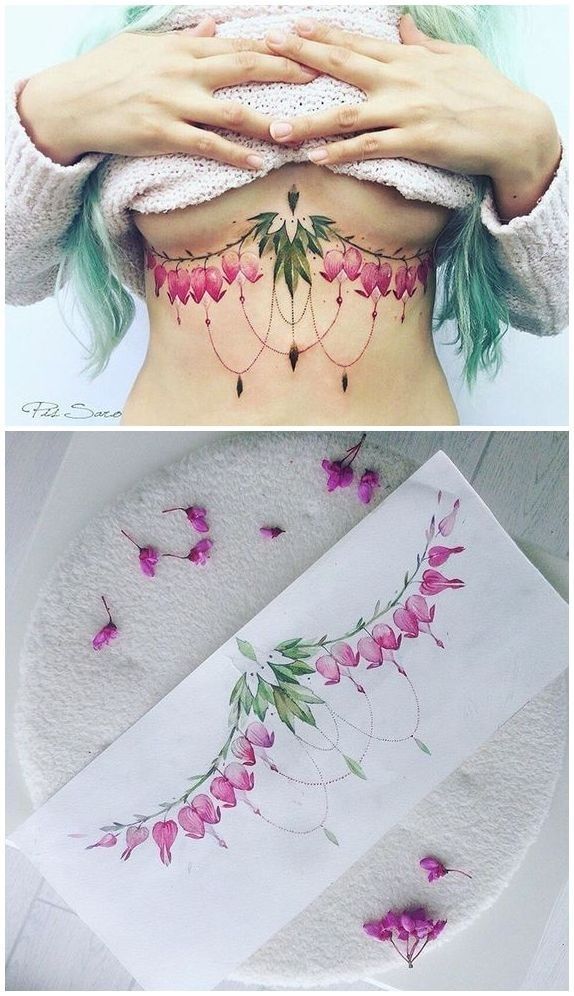
Decorative body art refers to tattoos created primarily for artistic expression. These tattoos allow individuals to personalize their bodies through designs, symbols, colors, and creative concepts.
Decorative tattoos may represent:
- Personal beliefs
- Important memories
- Artistic preferences
- Cultural connections
- Individual identity
Unlike medical nipple tattoos, decorative body art is not focused on recreating anatomy or restoring a feature affected by surgery.
Differences in Purpose and Goals
The biggest difference between medical nipple tattoos and decorative tattoos is the purpose behind the procedure.
Medical Nipple Tattoo Goals
Medical nipple tattooing focuses on:
- Creating a natural appearance
- Restoring symmetry
- Matching skin tone and pigmentation
- Supporting emotional recovery
- Completing breast reconstruction
The goal is often subtle realism rather than a noticeable tattoo appearance.
Decorative Tattoo Goals
Decorative body art focuses on:
- Creativity
- Personal expression
- Visual impact
- Artistic storytelling
- Individual style
The design is usually intended to be seen as artwork rather than a realistic recreation.
Differences in Technique
Although both procedures involve tattoo equipment and pigments, the techniques used can vary significantly.
Medical Tattooing Techniques
Paramedical tattoo artists often use specialized methods such as:
- Custom pigment blending
- Soft shading
- Realistic color transitions
- Three-dimensional illusion techniques
- Symmetry adjustments
These techniques help create the appearance of a natural nipple and areola.
Decorative Tattoo Techniques
Decorative tattoo artists may focus on:
- Bold outlines
- Detailed illustrations
- Vibrant colors
- Creative patterns
- Artistic compositions
The approach depends on the desired design and artistic style.
The Importance of Color Matching in Medical Tattooing
Color selection is one of the most important aspects of medical nipple tattoos. The artist must consider the individual’s skin tone, natural pigmentation, and reconstruction changes.
Unlike decorative tattoos that may use bright or contrasting colors, medical nipple tattoos often require subtle pigment combinations that mimic natural skin variations.
Artists may blend several shades to create:
- Natural-looking warmth
- Balanced tones
- Realistic depth
- Soft transitions
This careful customization helps create results that look like part of the body rather than added artwork.
Working With Scar Tissue and Reconstructed Skin
One major difference between medical nipple tattoos and decorative tattoos is the type of skin being treated.
Medical tattoo artists often work with:
- Surgical scars
- Reconstructed tissue
- Altered skin texture
- Areas affected by medical procedures
Scar tissue can absorb pigment differently from normal skin, requiring specialized knowledge and technique.
Decorative tattoo artists may not have the same level of experience with medically altered skin, which is why choosing a practitioner with appropriate training is important for restoration procedures.
Emotional and Psychological Impact
Both medical and decorative tattoos can have meaningful emotional value, but their impacts are often different.
Decorative tattoos may provide:
- Self-expression
- Creativity
- Personal identity
- Aesthetic enjoyment
Medical nipple tattoos may provide:
- Increased confidence after surgery
- A sense of completion
- Improved body acceptance
- Emotional healing after trauma or illness
For many individuals, nipple restoration is not just about appearance—it is about reconnecting with their bodies.
Choosing the Right Professional
Selecting the right tattoo professional depends on the purpose of the tattoo.
For medical nipple tattooing, individuals should look for:
- Experience with paramedical procedures
- Knowledge of breast reconstruction
- Understanding of scar tissue
- Strong hygiene practices
- Examples of healed results
For decorative body art, individuals may focus more on:
- Artistic style
- Portfolio quality
- Design creativity
- Tattooing experience
The right professional should have skills that match the specific goal of the procedure.
Safety and Hygiene Considerations
Regardless of the type of tattoo, safety should always be a priority. Tattoo procedures involve breaking the skin, making proper hygiene essential.
Important safety practices include:
- Sterile equipment
- Single-use needles
- Clean work environments
- Proper skin preparation
- Following aftercare instructions
Medical tattooing often requires additional attention because clients may have sensitive skin or previous surgical procedures.
Can Someone Choose Both Medical and Decorative Tattooing?
Yes, some individuals choose both approaches at different times. A person may first receive a medical nipple tattoo to restore natural appearance after surgery and later explore decorative body art as another form of self-expression.
The important factor is understanding the purpose of each procedure and selecting professionals with the right expertise.
Conclusion
Medical nipple tattoos and decorative body art both use tattooing as a creative and transformative tool, but their purposes are very different. Medical nipple tattoos focus on restoration, realism, and emotional healing, while decorative tattoos focus on artistic expression and personal identity.
For individuals recovering from surgery or medical procedures, paramedical nipple tattooing can provide a meaningful way to restore confidence and complete their reconstruction journey. Understanding these differences helps people choose the right approach for their personal goals and body transformation experience.
