


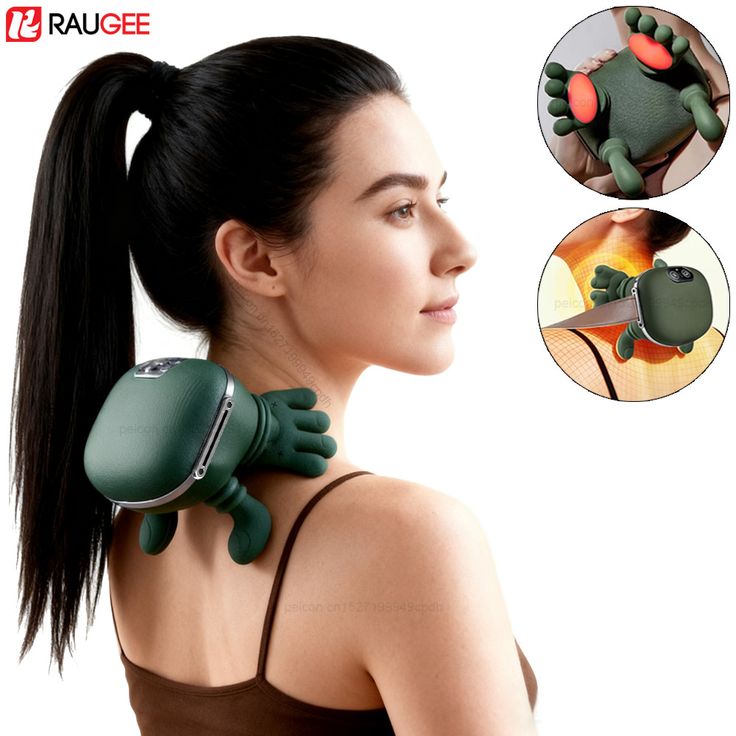
Rotator cuff discomfort is one of the most common sources of persistent shoulder pain, especially for people who spend long hours working at a desk, driving, or performing repetitive arm movements. The rotator cuff is a group of small but essential muscles and tendons that stabilize the shoulder joint, and when they become strained, even simple movements can feel restricted or painful.
Hand shoulder massager are increasingly used as part of at-home recovery routines to ease this type of deep joint strain. While they do not directly “repair” the rotator cuff, they help reduce surrounding muscle tension, improve circulation, and support overall shoulder mobility.
Understanding Rotator Cuff Strain
The rotator cuff consists of four key muscles that control shoulder stability and movement.
Why It Becomes Painful
Strain often develops due to:
- Repetitive overhead movement
- Poor posture and rounded shoulders
- Long periods of immobility
- Muscle imbalance between chest and upper back
Common Symptoms
- Deep shoulder ache
- Limited range of motion
- Pain when lifting or rotating the arm
- Stiffness after rest or sleep
Why Surrounding Muscle Tension Matters
Rotator cuff pain is rarely isolated to the joint itself. The surrounding muscles play a major role in both aggravating and relieving discomfort.
1. Shoulder Blade Muscles
Tight scapular muscles can alter shoulder alignment and increase strain.
2. Upper Trapezius
Overactive upper traps often compensate for weak or fatigued rotator cuff muscles.
3. Neck Muscles
Cervical tension can indirectly increase shoulder joint stress through posture imbalance.
How Shoulder Massagers Help Indirectly
Shoulder massagers target the surrounding muscle groups rather than the joint itself.
1. Releasing Trapezius Tension
Kneading nodes help relax overactive upper shoulder muscles.
Effect
Reduces upward pulling stress on the shoulder joint.
2. Improving Blood Circulation
Massage increases blood flow to surrounding soft tissue.
Benefit
Supports muscle recovery and reduces stiffness around the joint.
3. Enhancing Muscle Flexibility
Heat and motion improve elasticity in tight shoulder muscles.
Result
More comfortable movement during daily activities.
4. Reducing Compensatory Strain
Relaxed surrounding muscles reduce overload on the rotator cuff.
How Hand Massagers Support Shoulder Recovery
Hand and forearm massagers may seem unrelated, but they play an important indirect role.
1. Reducing Arm Muscle Tension
Forearm stiffness can contribute to shoulder compensation patterns.
2. Improving Nerve Comfort
Relaxing the arm can reduce tension along the full upper limb pathway.
3. Supporting Movement Efficiency
Looser hand and arm muscles reduce strain during lifting or reaching.
The Role of Hand-Simulated Kneading Technology
Modern devices replicate therapeutic techniques used in manual therapy.
1. Deep Kneading Motion
Simulates thumb pressure used to release tight muscle bands.
2. Alternating Compression
Helps break up localized tension around shoulder structures.
3. Heat-Assisted Relaxation
Warms soft tissue to improve responsiveness to massage.
Why Heat Is Especially Important for Shoulder Pain
Heat therapy plays a key role in managing rotator cuff discomfort.
1. Softens Tight Muscle Fibers
Warm tissue becomes easier to manipulate and relax.
2. Improves Joint Mobility
Increased circulation supports smoother movement.
3. Reduces Pain Sensitivity
Heat helps decrease the sensation of stiffness and discomfort.
Best Ways to Use Massagers for Shoulder Relief
1. Focus on Surrounding Muscles, Not the Joint
Apply massage to:
- Upper trapezius
- Rear shoulder muscles
- Upper back area
Avoid direct pressure on painful joint points.
2. Use Moderate Intensity
Too much pressure can increase muscle guarding.
3. Keep Sessions Short and Consistent
10–15 minutes per area is typically effective.
4. Combine Hand and Shoulder Therapy
Treating both areas improves overall upper-limb balance.
When Massage Helps Most
Early or Mild Strain
Best results occur when stiffness is recent or moderate.
Post-Activity Recovery
Helpful after repetitive arm use or long desk sessions.
Chronic Muscle Tightness Support
Helps manage long-term tension patterns.
Important Limitations to Understand
Not a Structural Fix
Massagers do not repair torn or severely damaged rotator cuff tissue.
Pain Severity Matters
Severe or persistent pain should be medically evaluated.
Consistency Is Essential
Benefits build gradually with regular use.
Why Combined Upper-Body Therapy Works Best
The shoulder does not function in isolation.
Integrated Approach
- Neck relaxation reduces posture strain
- Shoulder massage relieves local tension
- Hand and forearm relief reduces arm compensation
Result
A more balanced and less strained movement system.
Final Thoughts
Hand and shoulder massagers can play a valuable role in managing rotator cuff-related discomfort by addressing the surrounding muscle tension that often contributes to joint strain. While they are not a cure for structural injury, they support improved circulation, reduced stiffness, and better overall shoulder function.
When used consistently as part of a broader recovery routine, these devices help create a more relaxed and balanced upper body, making daily movement easier and less painful over time.
